
How do you start a news media? You send 140-character news to 100 people each day, and name it Maktoob
Updated: Jun 6
Maktoob began as a 140-character SMS service named after a concept in The Alchemist. Today, it has published over 20,000 stories, defying a unfair financial model to prove that human rights affect everyone.

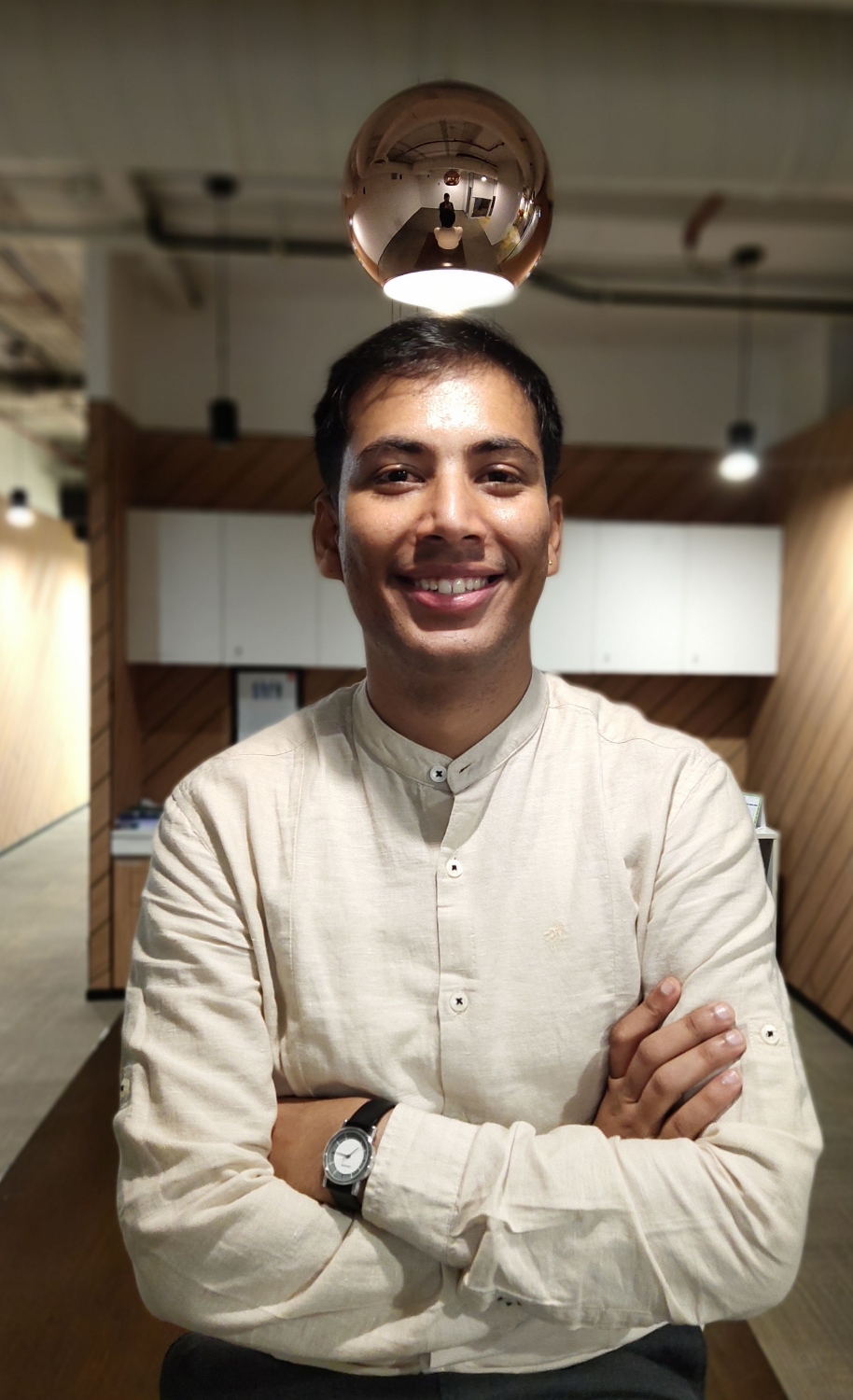
In the beginning, Maktoob would send an SMS of 140-character news. In those days, that was the limit. Aslah Kayyalakkath started the media house in 2012. He was an 18-year-old student in Kerala at the time. He and three college friends typed the news after their lectures. They sent the texts to 100 people every day.
Aslah told me where he got the name for the media house. He found it in the book The Alchemist. He later learned that the word has its roots in Arabic, meaning “it is written.” Many people told him to change the name. They felt people would associate the name only with Muslims and box it into a limited imagination.
This situation reflects the environment in which Indian media operates today. Aslah explained that they wanted to cover human rights abuses that other news media won’t or can’t cover. Human rights are not a Muslim issue. They belong to everyone, and they affect everyone.

The small project grew over the years. It became a blog in 2014. Later, it became a website in 2016. The beginnings were very modest. Aslah and his co-founder Naseel had to scrape together money. They made a modest profit of ₹6,000 from a journalism workshop. They used this money to buy their website domain and server fees.
Even as a blog, their stories reached millions. One story about a JNU student’s father was shared by over 600,000 people on Facebook. Before launching the actual website, they published nearly 1,000 stories.
Since then, the newsroom has published over 20,000 stories and videos. The team has broken impactful stories. They have spoken to thousands of people. They have travelled to hundreds of places. Their journalism is the stories of lived experiences of the people. Human struggles, losses, and dreams are at the heart of their work.
People trust Maktoob to tell the truth. Once, the team visited a Muslim youth. He had spent 13 years in jail before being acquitted. No other journalist had ever visited his home in all those years. A female student also praised them. She called Maktoob a bold media that asks different questions. Even a persecuted Rohingya student once handed them a sealed envelope with a subscription amount.
Today, the traditional financial model of media is not working. Advertising money is drying up. Tech platforms take most of the digital revenue. Small newsrooms cannot survive on ad clicks alone.
Maktoob faces these harsh financial limits. Their audience are huge but paid subscribers are few. They have kept their news free and open to all. There is no paywall. They want to grow and reach millions of readers. They want to set a new trend for truth-telling and accountability.
Today, Maktoob Media is reaching new heights. It has grown into a powerful independent digital voice. Hundreds of writers have contributed over the years. Many are writing in English for the very first time.
The small student project has come a long way. It proved that vital news does not need a massive budget. It just needs a dedicated voice, one text message at a time.
You can support Maktoob by being a subscriber, following them on social media. They have also launched a new venture called Maktoob Hindi. Help them amplify their journalism and support them on their journey.

